
Peppers and chilies belong to the same plant family – yet worlds apart: from the sweet, thick-walled blocky pepper to the chili that brings tears to your eyes. The beauty: all can be grown in the garden, in a container and even on the windowsill, and all need the same basic care. In this guide we place our five varieties on the heat scale, tell you which suits you, and show how growing succeeds from the February windowsill to the autumn harvest.
Which Variety Is Right for Me? The Quick Answer
- For pepper fans (no heat): Oda (violet, balcony) or Rubika H (classic red, thick-walled)
- For the balcony: Oda (dwarf variety, only 40 cm) or Jalapeño M
- For entering the world of heat: Jalapeño M – mild to medium, dose it yourself
- For grilling & stuffing: Jalapeño M (poppers) or Rubika H (blocky pepper)
- For chili flakes & powder: De Cayenne – thin-walled, dries perfectly
- For gourmets & experiments: Hot Lemon – citrus aroma, hot
- All but the hybrid are open-pollinated: Oda, De Cayenne, Hot Lemon, Jalapeño M
The Heat Scale at a Glance
Heat is measured in Scoville units (SHU). For orientation:
- 0 SHU – Pepper Oda & Rubika H: no heat, purely sweet and aromatic
- 2,500–8,000 SHU – Jalapeño M: mild to medium, easy to dose
- 30,000–50,000 SHU – De Cayenne & Hot Lemon: distinctly hot, but no extreme
For comparison: a habanero sits at 100,000–350,000 SHU. Our hottest varieties are therefore strong but manageable.
The 5 Varieties in Portrait
1. Pepper Oda – the Violet Dwarf for the Balcony
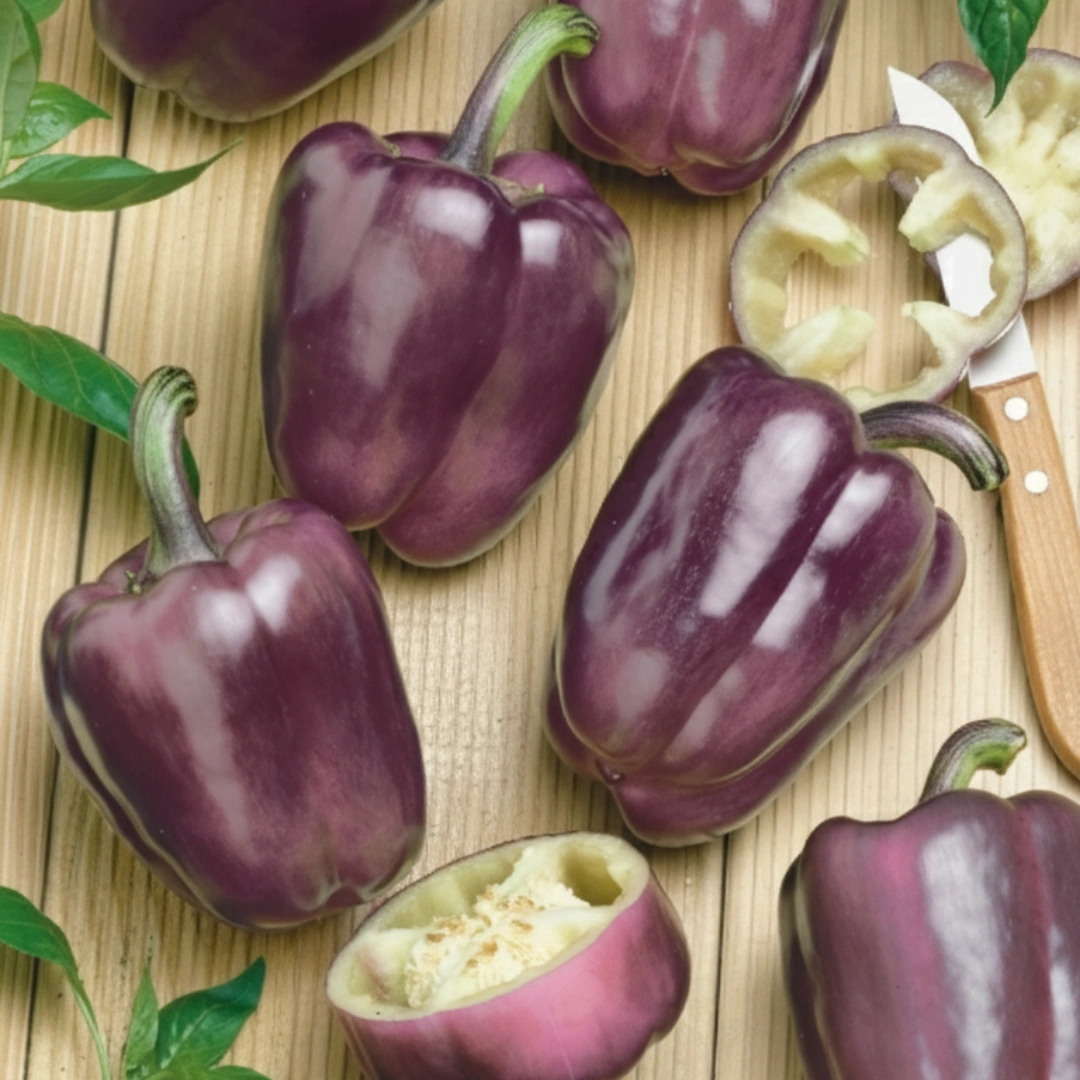
Only about 40 cm tall and yet fully laden: Oda is a true dwarf variety that thrives in a 5–10 litre container on the balcony and patio. Its highlight is the colour – the cone-shaped, 100–120 g fruits glow in rare deep violet and are particularly juicy. An eye-catcher in salads and preserves.
Who is it for? Balcony gardeners and anyone wanting something unusual. Open-pollinated. Key facts: Sweet pepper · 0 SHU · only 40 cm · violet · pot & balcony
2. Pepper Rubika H – the Classic Blocky Pepper
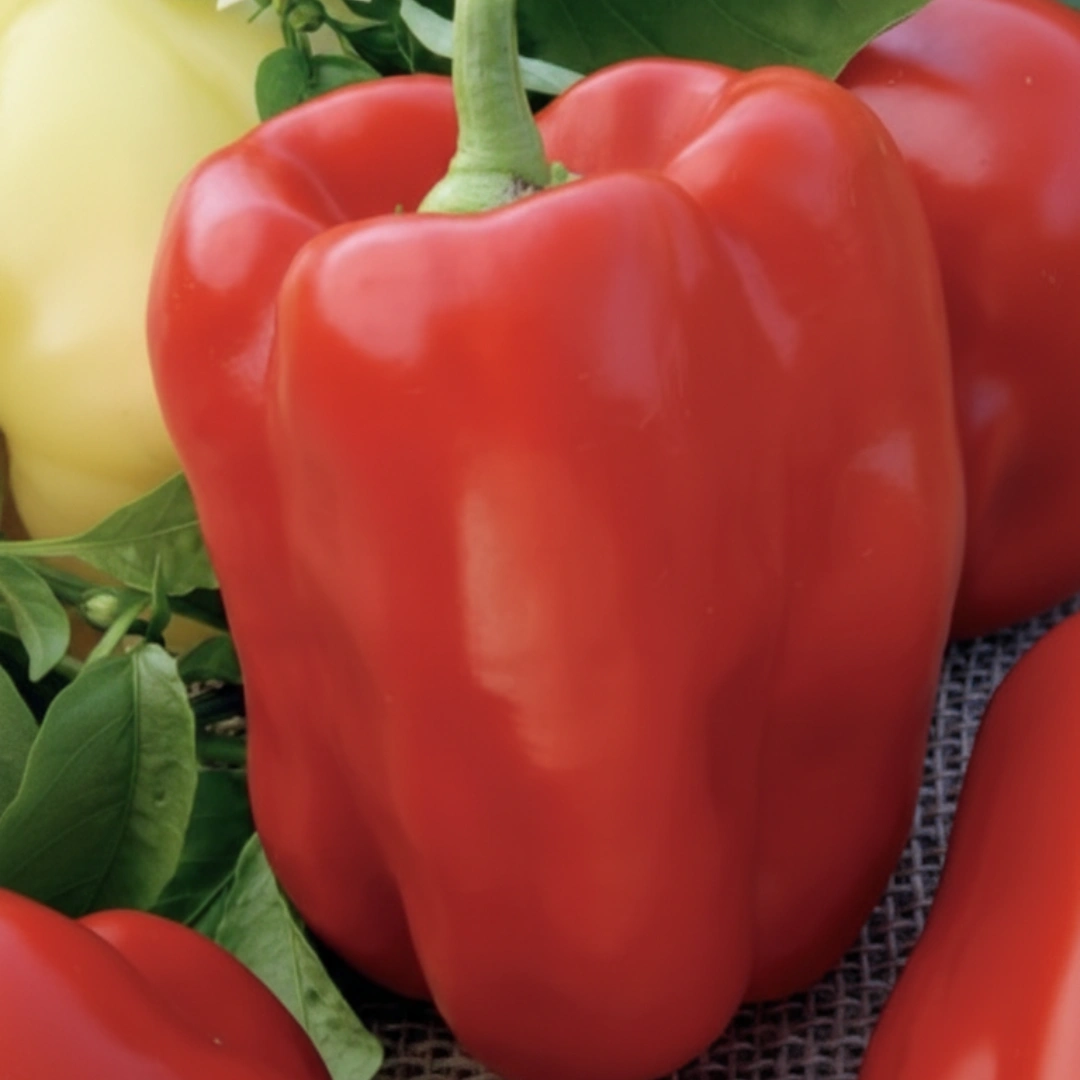
The pepper as you know and love it: cube-shaped, thick-walled, 120–140 g and deep dark red at full maturity. Picked green it is mild and fresh, fully ripe red it is sweetest and highest in vitamin C. As an F1 hybrid, Rubika H grows reliably outdoors as well as in the greenhouse.
Who is it for? Anyone wanting classic vegetable peppers for cooking and stores. Key facts: F1 hybrid · sweet pepper · 0 SHU · 120–140 g · open field & greenhouse
3. Jalapeño M – the Gateway to Heat
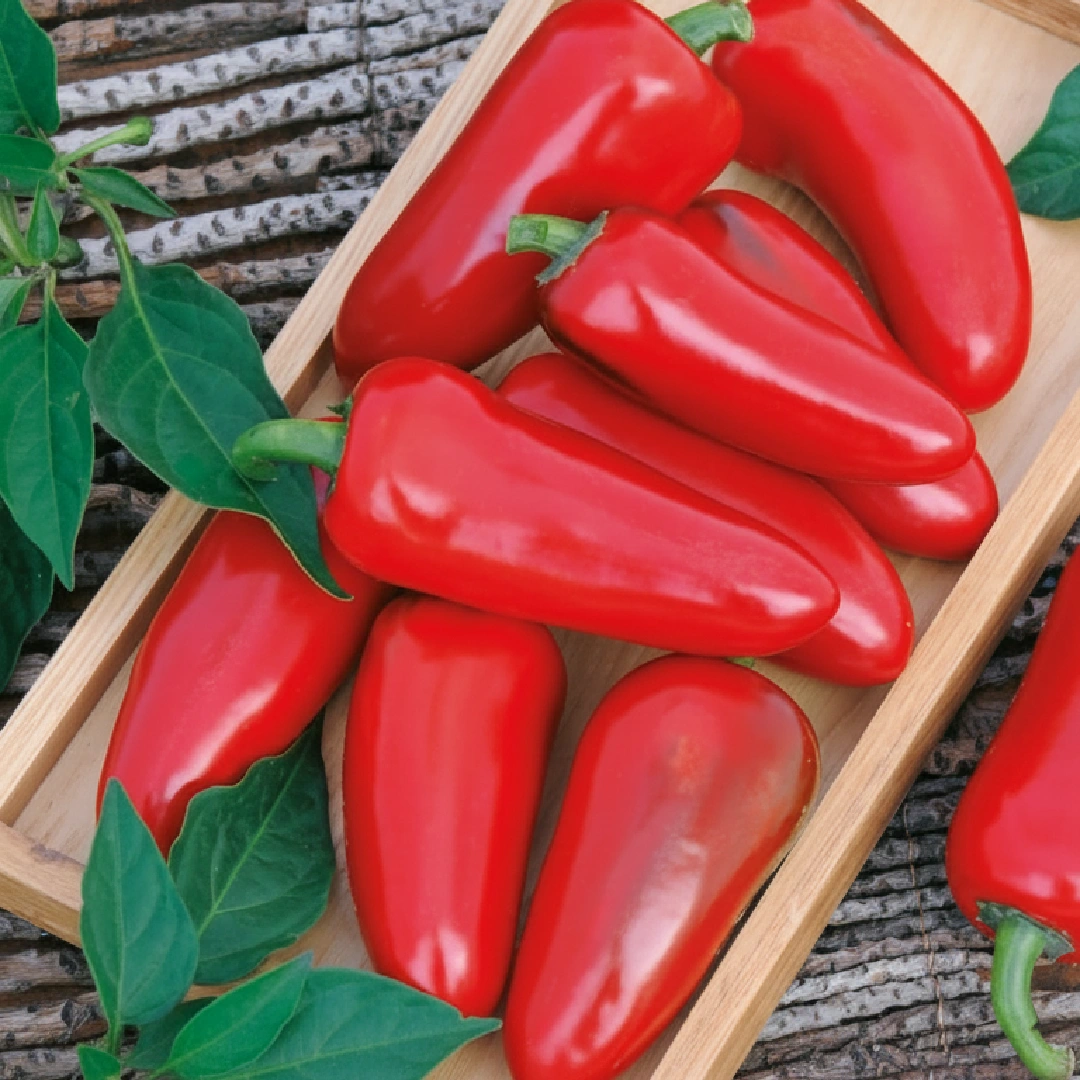
Probably the most famous chili in the world – and the perfect starter variety, because you decide the heat: picked green it is mildly piquant, fully ripe red distinctly hotter. With only 65–75 days vegetation period, Jalapeño M is one of the earliest chilies of all. The fleshy, thick-walled fruits (7.5–8 cm) are exactly the right size for stuffing – think jalapeño poppers.
Who is it for? Heat beginners, grill fans, balcony gardeners. Open-pollinated. Key facts: Chili · 2,500–8,000 SHU · very early · fleshy · open field, greenhouse, pot
4. De Cayenne – the Classic for Drying
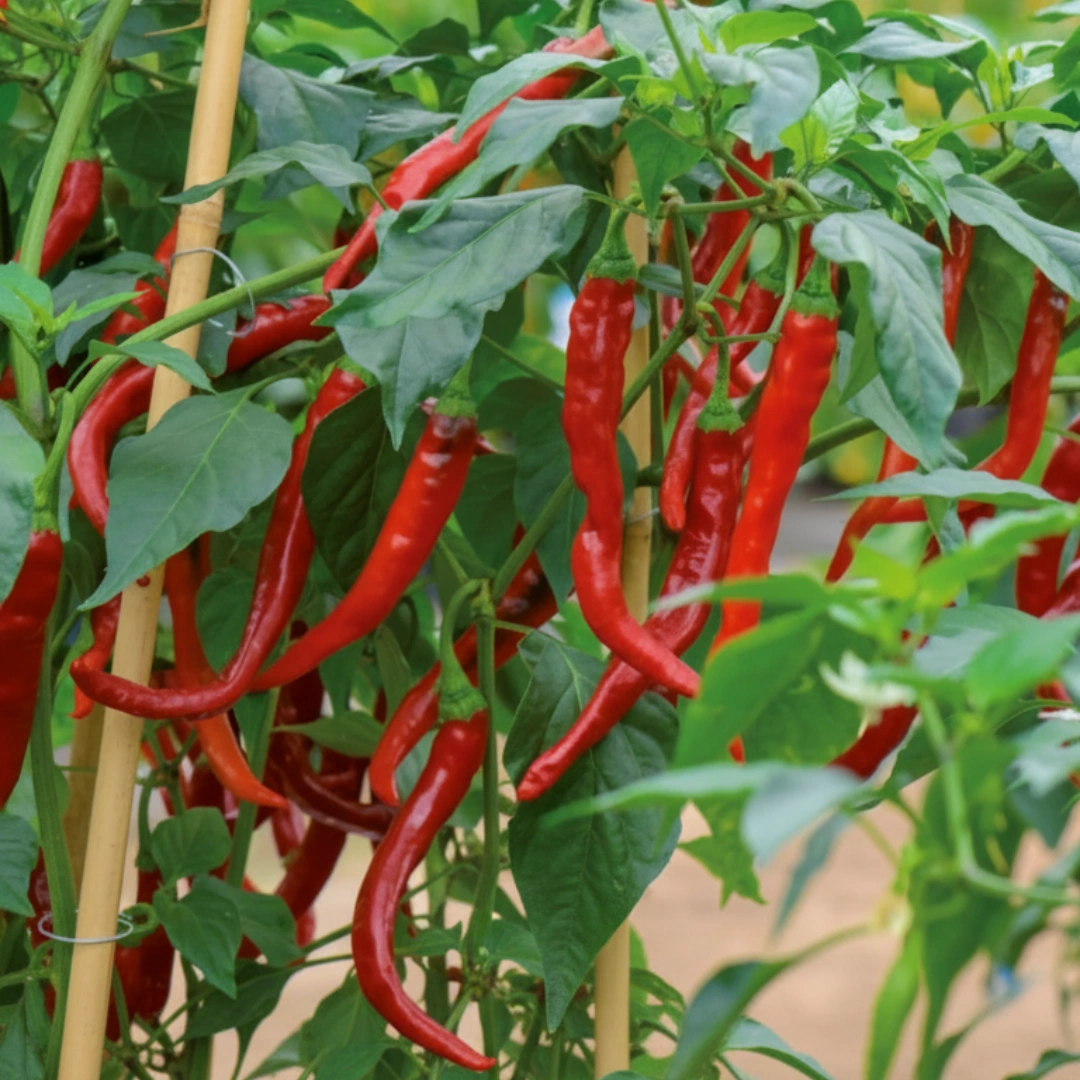
At 30,000–50,000 Scoville distinctly hotter than jalapeño, but far from habanero – a strong, manageable heat. The thin-walled pods dry quickly and are the classic base for chili flakes and cayenne pepper powder. One plant delivers 20–25 fruits – enough for a year’s supply.
Who is it for? Anyone wanting to make their own chili flakes and powder. Open-pollinated. Key facts: Chili · 30,000–50,000 SHU · thin-walled · perfect for drying
5. Hot Lemon – the Exotic With Citrus Aroma
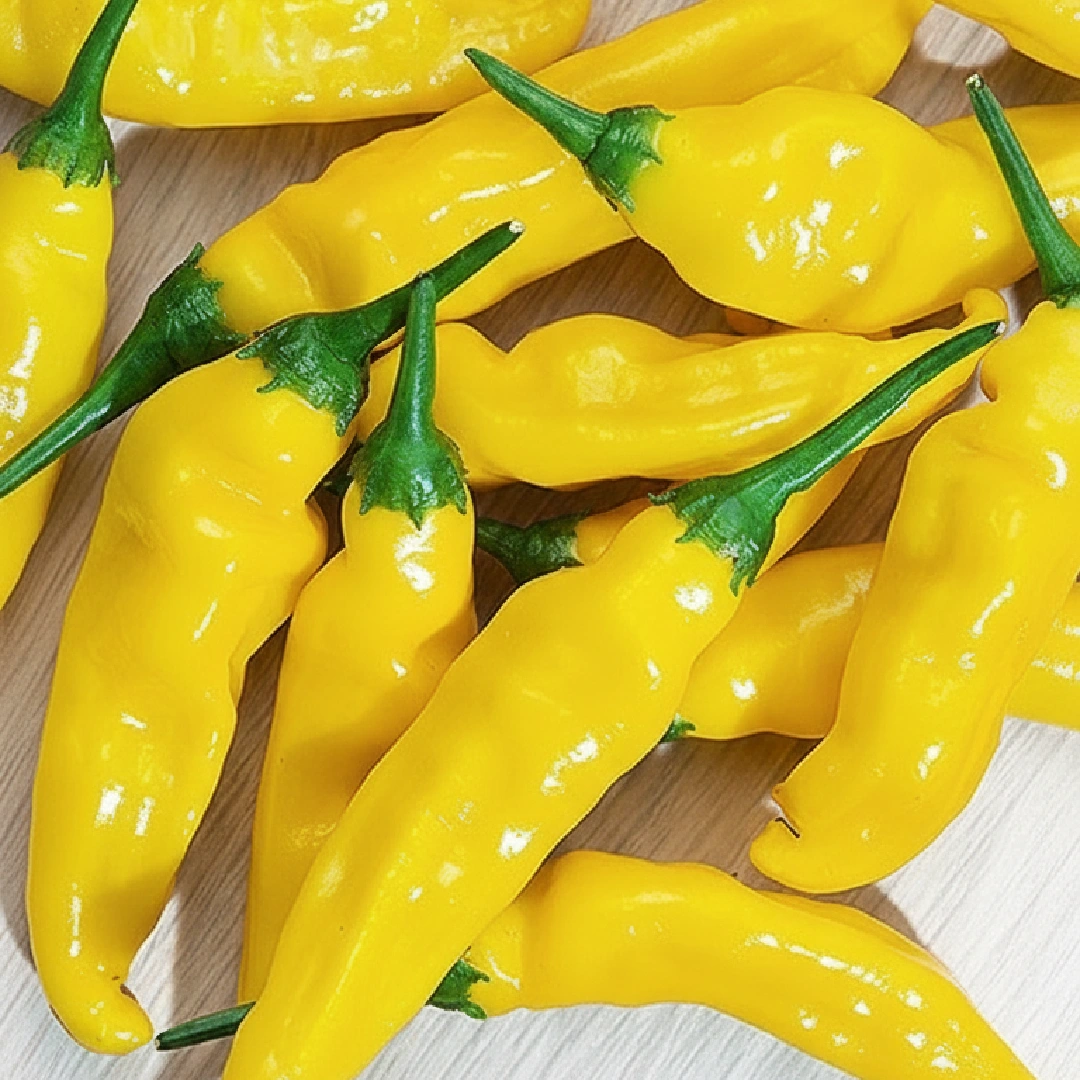
A flavour profile hardly any other chili offers: Hot Lemon tastes of citrus and lemongrass, combined with 30,000–50,000 Scoville heat. The 6–10 cm, slightly wrinkled pods ripen from green to luminous yellow. The citrus aroma elevates salsas, ceviche and fish dishes – dried, it yields a bright yellow chili powder.
Who is it for? Gourmets and anyone looking for something special. Open-pollinated (Capsicum baccatum). Key facts: Chili · 30,000–50,000 SHU · citrus aroma · compact, productive
Growing Chili & Peppers: the Essentials
When do you sow chili and peppers?
Early – from February to March indoors at 25–28 °C. Both need a long, warm start, as many weeks pass from sowing to the first ripe fruit. Sow only in April and in a temperate climate you often harvest only green fruits. A windowsill above the radiator or an indoor greenhouse with a heat mat helps with germination.
When can the plants go outside?
After the last frost from mid-May. Chili and peppers are frost-sensitive and heat-loving. Ideal is a full-sun, wind-sheltered spot – in the bed, in the greenhouse or in a container of 10 litres or more. The compact varieties like Oda and Jalapeño M are perfectly happy in a pot on the balcony.
How do you care for chili and peppers correctly?
Water evenly (avoid waterlogging) and feed weekly from flowering – both are heavy feeders. A tip for more yield: pinch out the first flower in the fork of the stem (the so-called king flower), then the plant branches out bushier and bears more fruit overall.
Why do chilies get hotter the longer they ripen?
The heat (capsaicin) increases with ripeness. The same variety is milder picked green, hottest fully ripe red. Drought stress and lots of sun also increase the heat – if you like it milder, water evenly and harvest earlier.
Open-pollinated or F1?
Except for the blocky pepper Rubika H (F1 hybrid), all our varieties are open-pollinated – from Oda, De Cayenne, Hot Lemon and Jalapeño M you can save your own seed. Important: chili and peppers can cross with each other if they flower close together. For pure seed, keep them apart or bag individual flowers.
💡 Bed schedule for the chili & pepper year: February/March – sow indoors (25–28 °C) · April – prick out, keep bright and warm · Mid-May – plant out, pinch the king flower · June–September – water, feed, harvest · autumn – dry chilies, grind powder, save seed.
Our Conclusion: From Sweet to Fiery, There Is Something for Everyone
Whether you want mild peppers for cooking, stuffable jalapeños for the grill or fiery cayenne for the spice store – among these five varieties you will find yours. Our tip for beginners: a sweet pepper (Oda or Rubika H) plus the versatile Jalapeño M – that way you get colour, sweetness and dosable heat from your own bed.
🌶️ All chili & pepper varieties at a glance: Pepper Oda · Pepper Rubika H · Jalapeño M · De Cayenne · Hot Lemon – all in our shop and in the product cards below.
📖 Related from our blog
- 🍛 Uzbek plov – where a whole chili pod cooks in the cauldron
- 🥒 Fermenting crunchy salt pickles – with chili for a spicy kick in the jar
- 🍅 The Big Tomato Guide – the perfect bed neighbour
And when your first chili harvest is drying: send us a photo to info@nasch-datscha.de!


