
Root and brassica vegetables are the backbone of the Eastern European garden: they fill the plate in summer and the cellar in winter. From lightning-fast radishes ready in just 18 days to the white cabbage that survives the whole winter as sauerkraut – these eight varieties are staples in the best sense. This guide shows you which suits you, when to sow and how to store them into spring.
Which Variety Is Right for Me? The Quick Answer
- For the impatient: Radish 18 Days – ready in under 3 weeks
- For beginners: Radish Lada or Carrot Nantes 5 – uncomplicated
- For the winter store: Carrot Korala, Beetroot Bona, White Cabbage Brunswick
- For borscht: Beetroot Bona & Cylindra, carrot, white cabbage
- For sauerkraut: White Cabbage Brunswick – high sugar content
- For kimchi & wok: Chinese Cabbage Emiko H
- For juice & raw: Carrot Korala – especially sweet
- Almost all are open-pollinated – only Chinese Cabbage Emiko H is a hybrid
Carrots: Sweet, Crunchy, Storable
1. Carrot Nantes 5 – the Tender Classic
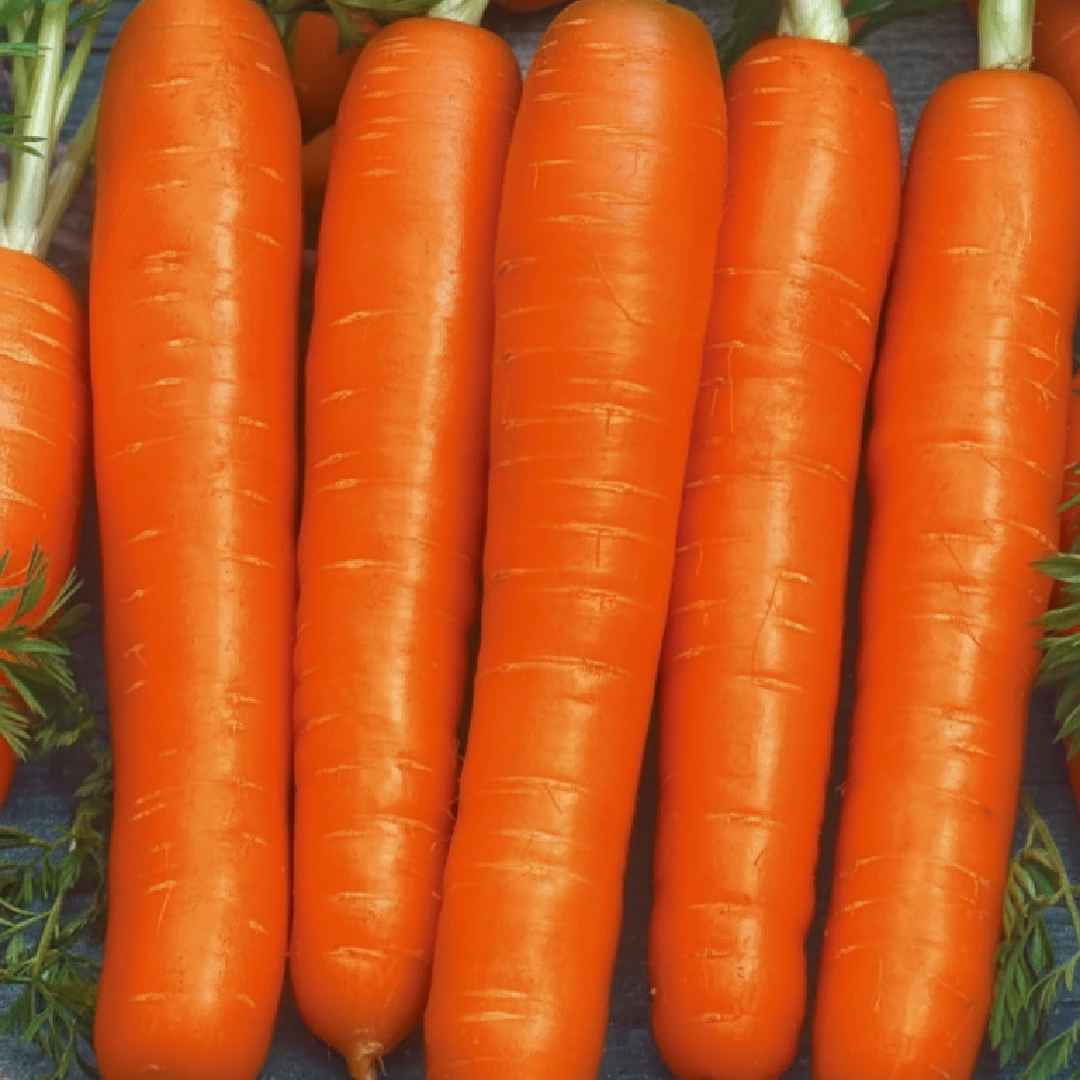
The carrot type all others have been measured against for over 150 years: cylindrical, smooth roots with a blunt tip and a core coloured right through, almost coreless. Nantes 5 is tender and sweet, a treat young as a bunching carrot and a solid storage carrot when fully grown.
Who is it for? Beginners and anyone who loves the classic carrot flavour. Open-pollinated. Key facts: approx. 90–100 days · tender & sweet · almost coreless · summer and storage harvest
2. Carrot Korala – the Sweet Storage Carrot
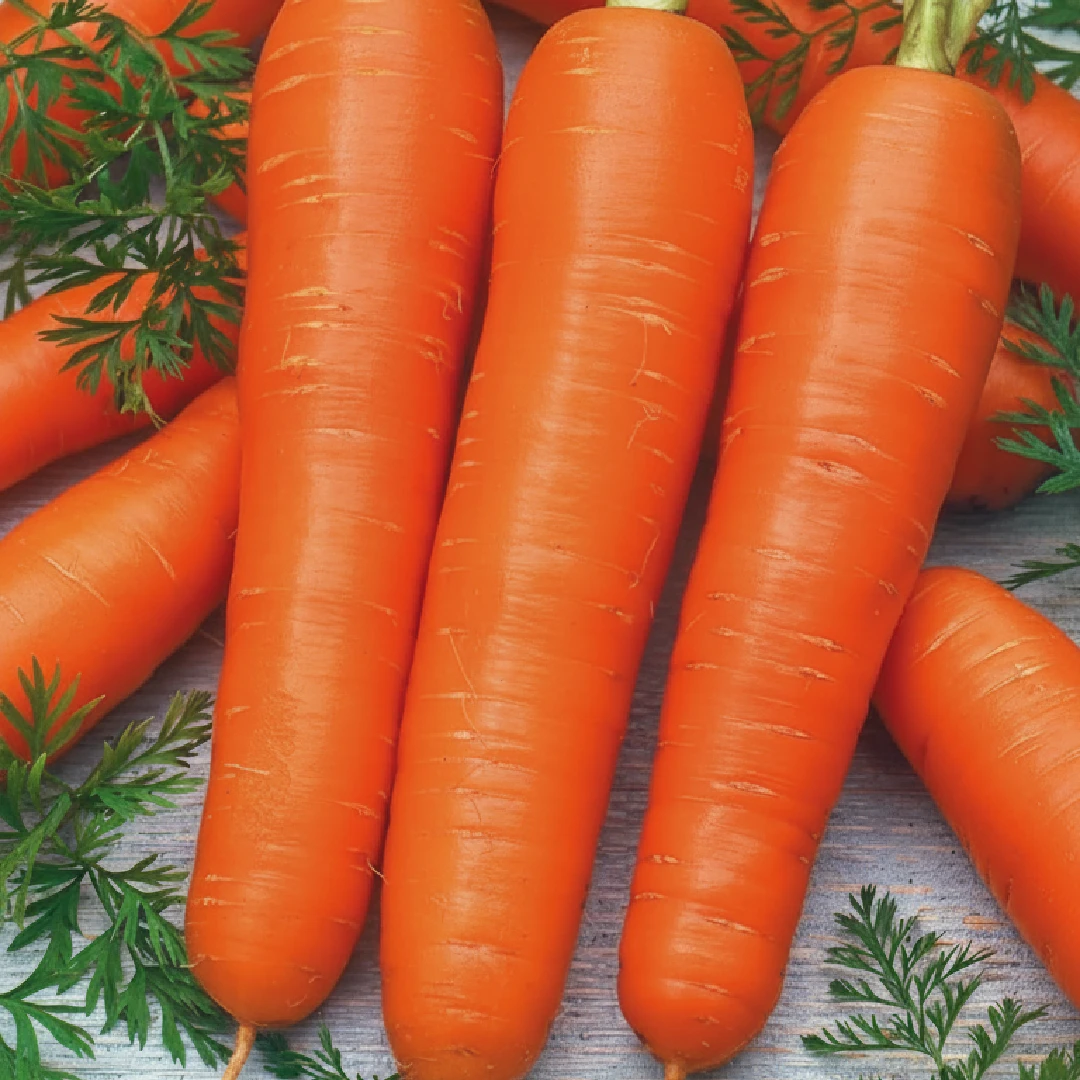
The late variety for winter: Korala has a particularly high sugar and carotene content – freshly pressed juice from it is strikingly sweet and intense. It stores all winter in sand boxes or a clamp without losing flavour.
Who is it for? Self-sufficient gardeners, juice lovers, anyone with a storage cellar. Open-pollinated. Key facts: late variety · very sweet · ideal for juice & winter storage · 18–22 cm
Radishes: the Fastest Harvest in the Garden
3. Radish 18 Days – Nothing Is Faster
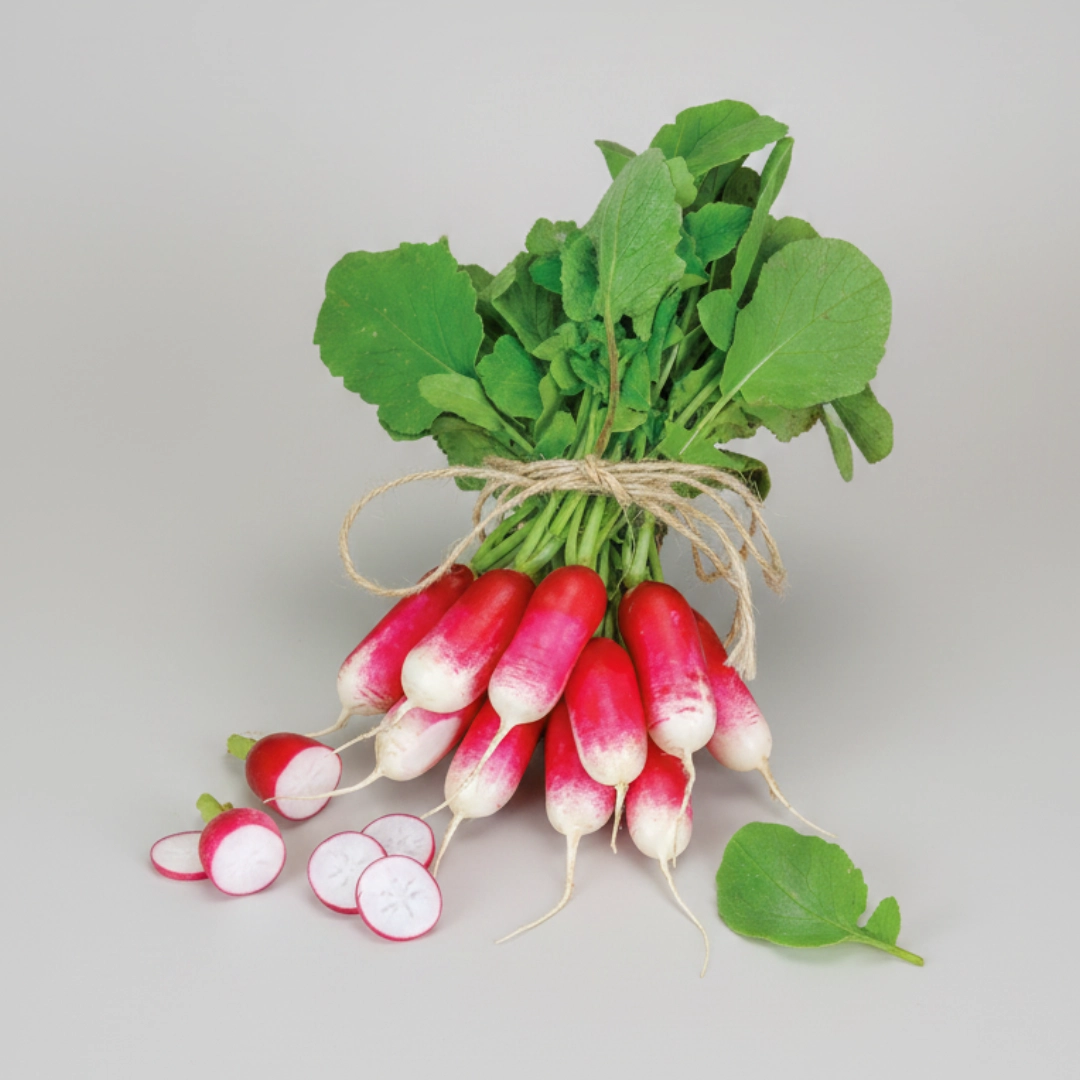
No vegetable is faster: under optimal conditions only 18–20 days pass from sowing to harvest. This legendary French variety forms crunchy, cylindrical roots, red with a white tip – mild and pleasantly spicy. Ideal for impatient gardeners and children.
Who is it for? Beginners, children, balcony gardeners, all the impatient. Open-pollinated. Key facts: ready in 18–20 days · red-white · mild · bed, box, raised bed
4. Radish Lada – Mild and Tender for Longer
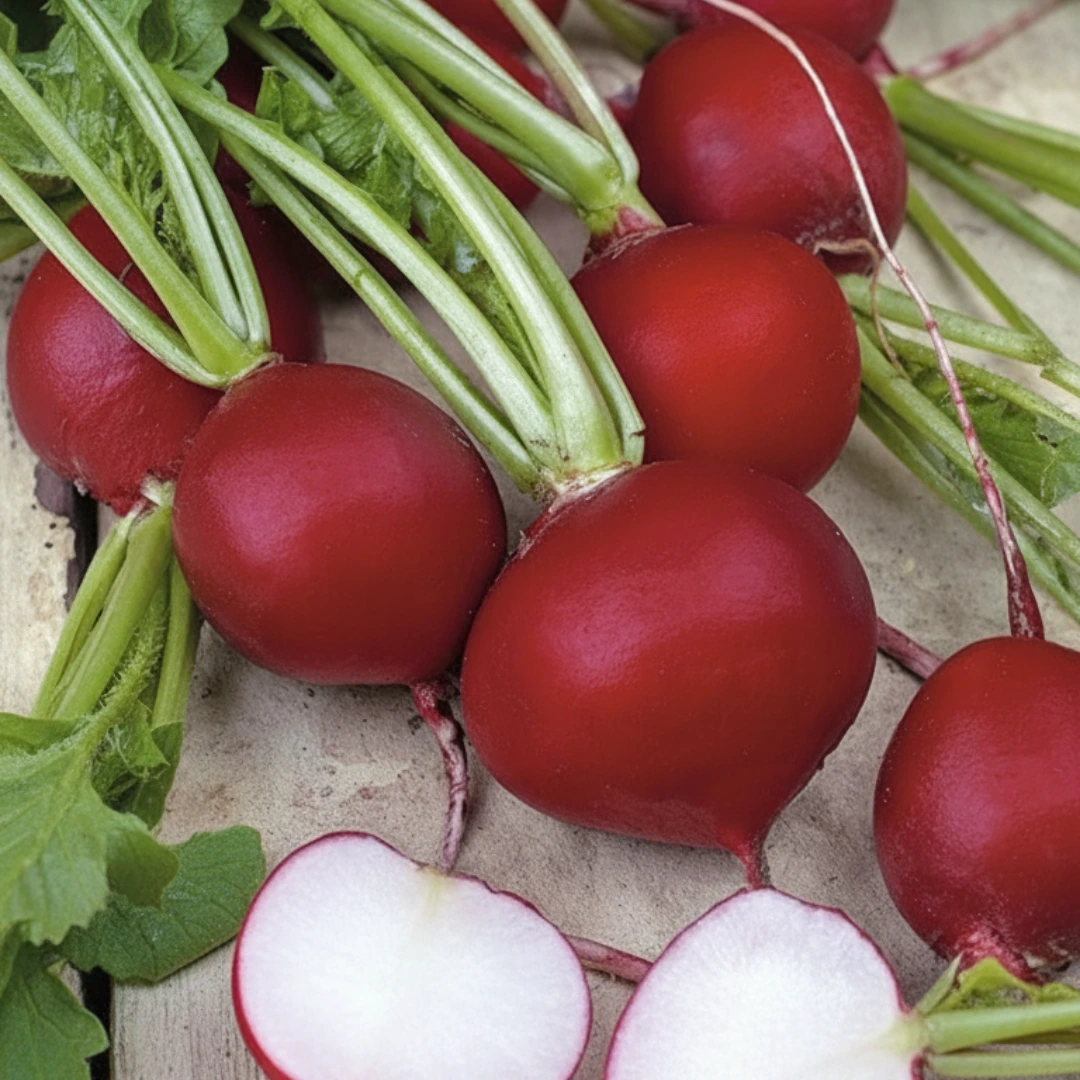
Ready in 33–37 days and with one decisive advantage: Lada stays tender for a long time and does not turn pithy so quickly – so you can take one to two weeks over the harvest. Pleasantly mild, popular with children, and in the greenhouse one of the first harvests of the year.
Who is it for? Anyone who cannot check the bed every day. Open-pollinated. Key facts: 33–37 days · stays tender long · mild · greenhouse & open field
Beetroot: the Heart of Borscht
5. Beetroot Bona – Round, Sweet, Ring-Free
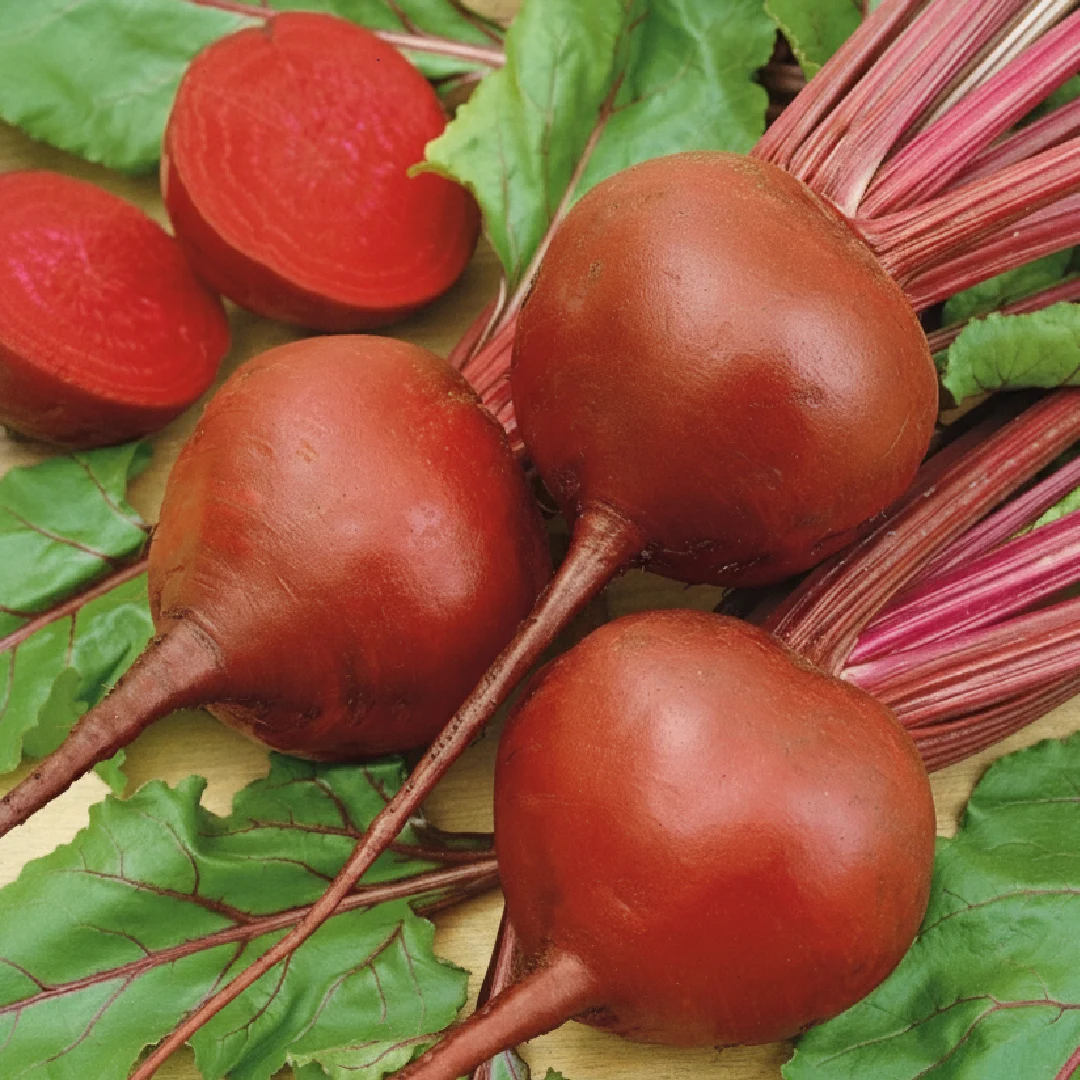
The flesh is dark red throughout, completely free of pale rings – and keeps its intense colour when cooked. Bona comes from a premium batch with 99 % purity and tested germination. Perfect for roasting, borscht, pickling and the winter cellar.
Who is it for? Borscht cooks, preserving fans, the quality-conscious. Open-pollinated. Key facts: round · ring-free · colour-stable · excellent keeper
6. Beetroot Cylindra – the Practical Cylindrical One
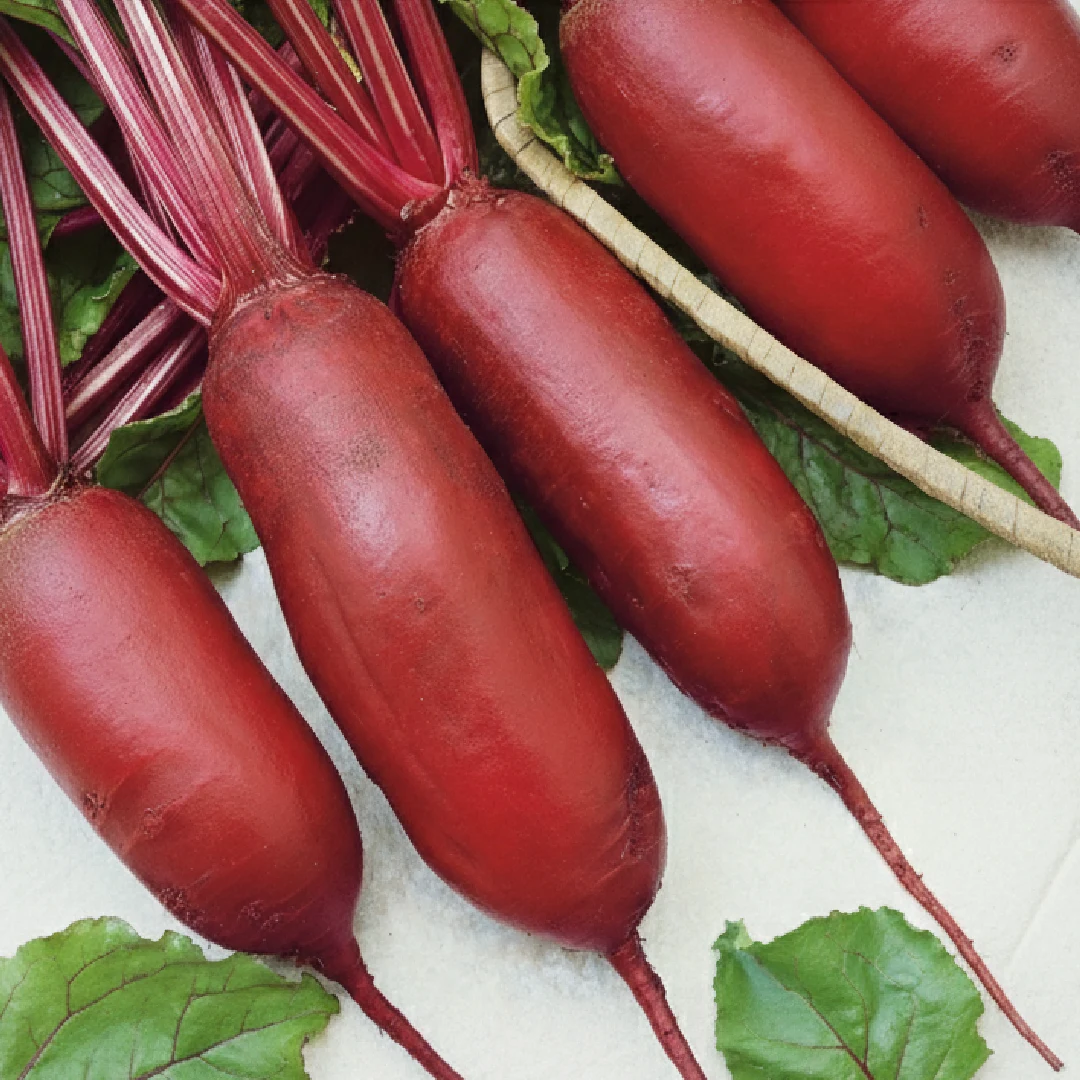
Its cylindrical shape (15–20 cm) gives perfectly even slices with less waste – and more yield per bed area than round varieties. Part of the root grows above ground, making harvesting easier (pull instead of dig). The young leaves are edible too.
Who is it for? Anyone who preserves a lot and wants even slices. Open-pollinated. Key facts: cylindrical · even slices · high area yield · storable
Cabbage: From Sauerkraut to Kimchi
7. White Cabbage Brunswick – the Sauerkraut Classic
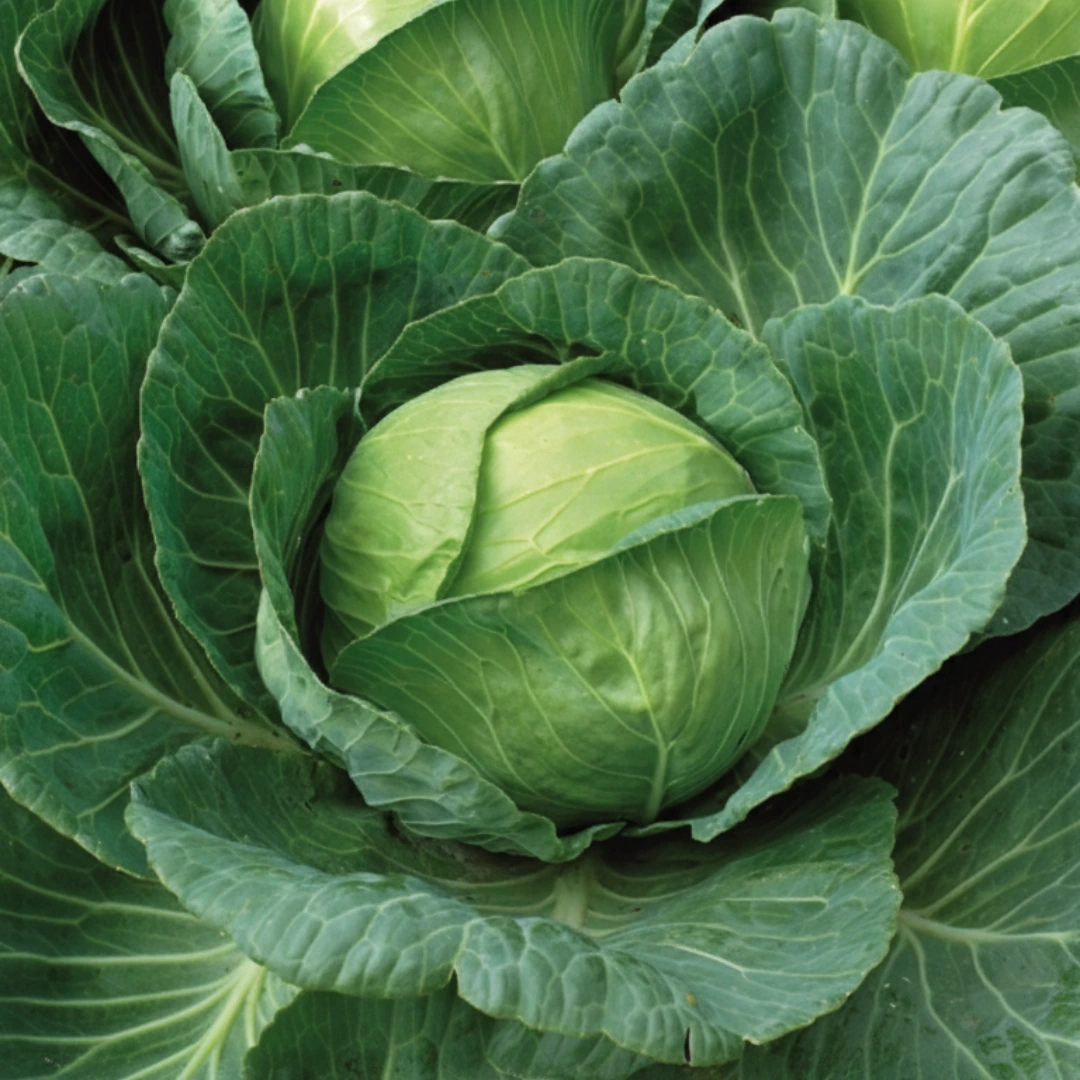
The Brunswick heirloom with large, firm heads (2.5–3.5 kg) is the classic sauerkraut cabbage par excellence. Its above-average sugar content gives lactic fermentation exactly what it needs. Equally wonderful in borscht or as a mild cabbage roll.
Who is it for? Sauerkraut fans, borscht cooks, self-sufficient gardeners. Open-pollinated. Key facts: 2.5–3.5 kg · high sugar content · ideal for sauerkraut · 120–130 days
8. Chinese Cabbage Emiko H – the Fast Multi-Talent
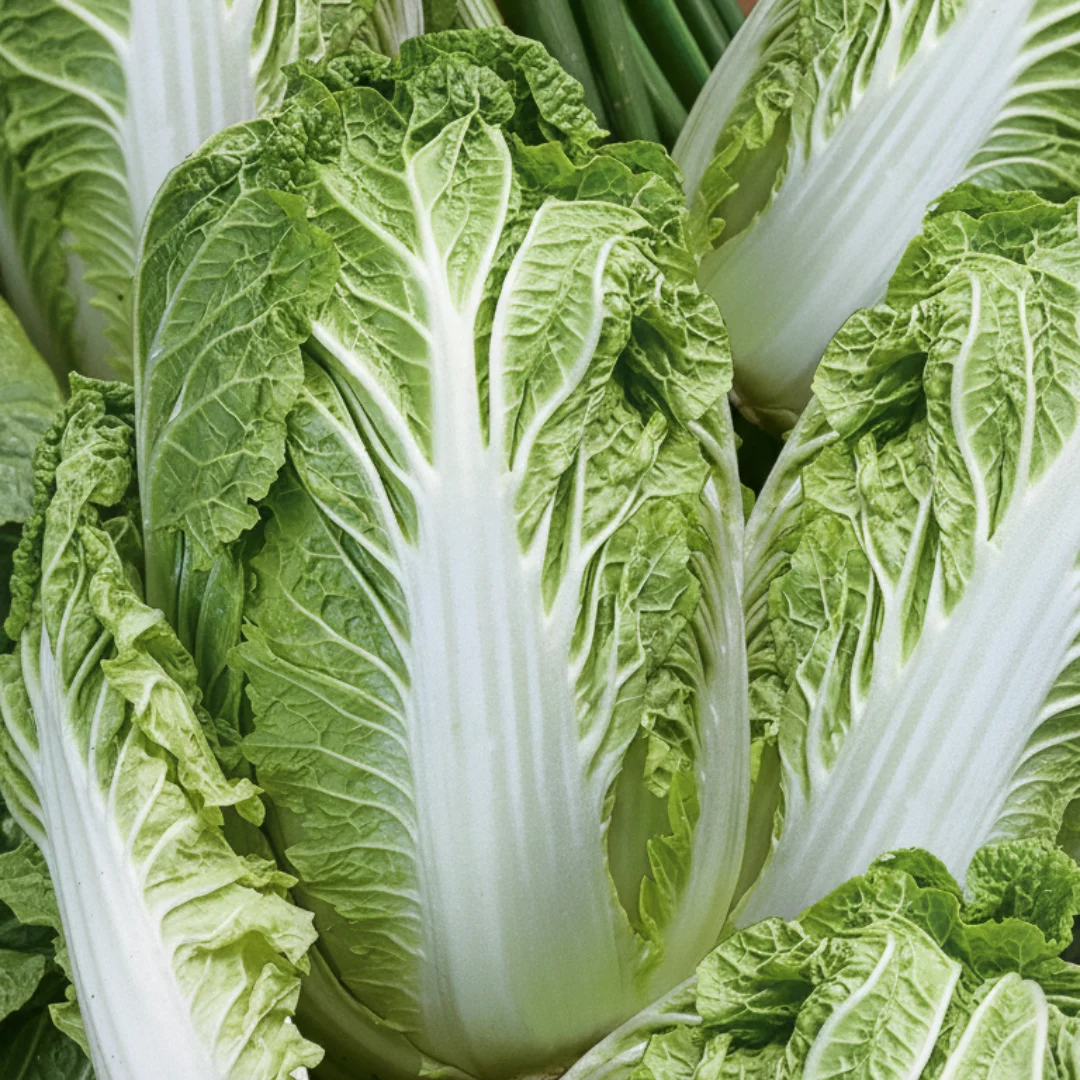
Ready after only about 65 days and resistant to clubroot and rot – Emiko H even succeeds where the soil fungus has already struck. Crunchy in salads, classic for kimchi, flash-fried in the wok or as a mild cabbage roll. The autumn crop keeps for months stored cool.
Who is it for? Kimchi fans, wok cooks, anyone with clubroot in the soil. Key facts: F1 hybrid · only ~65 days · clubroot-resistant · spring to autumn
Growing Root & Brassica Vegetables: the Essentials
When do you sow what?
Radishes from March to September, in succession every 2 weeks for a continuous supply. Carrots and beetroot from April directly into the bed; beetroot for storage until June. White cabbage started indoors from March and planted out by the end of May. Chinese cabbage from April to early August – especially reliable as an autumn crop, as it tends to bolt in long days.
What soil do carrots and beetroot need?
Deeply loosened, stone-free and without fresh manure – only then do carrots grow straight instead of forked. An important note on beetroot: its seeds are clusters containing several embryos, so the seedlings must be thinned or they hinder each other.
Why do radishes turn pithy and hot?
The most common cause is drought and heat. Even watering and prompt harvesting keep the roots mild and crunchy. The Lada variety naturally stays tender for longer – ideal if you cannot harvest daily.
How do you store root vegetables over the winter?
Carrots and beetroot classically in sand boxes in a cool cellar (0–4 °C) or in a clamp – that way they keep until spring without losing flavour. Store white cabbage cool and airy or process it directly into sauerkraut. Important: only store undamaged, healthy specimens.
Open-pollinated or hybrid?
Seven of the eight varieties are open-pollinated – only Chinese Cabbage Emiko H is an F1 hybrid (in return with clubroot resistance). With carrots, beetroot and cabbage, however, saving your own seed is demanding, as they are biennial and only flower in the second year. With radishes it succeeds easily.
💡 Bed schedule for the root & cabbage year: March – start white cabbage indoors, sow first radishes & carrots · April–June – sow beetroot, resow radishes in succession · May – plant out cabbage · August – sow Chinese cabbage for autumn · October – harvest, store, sauerkraut & borscht.
Our Conclusion: From Bed to Winter Cellar
Root and brassica vegetables are the most reliable self-suppliers of all: fast (radishes), versatile (carrots) and storable for months (beetroot, cabbage). Our tip: combine a fast crop (radishes) with a storage crop (carrot, beetroot, cabbage) – that way you harvest from spring deep into winter.
🥕 All varieties at a glance: Carrot Nantes 5 · Carrot Korala · Radish 18 Days · Radish Lada · Beetroot Bona · Beetroot Cylindra · White Cabbage Brunswick · Chinese Cabbage Emiko H – all in our shop and in the product cards below.
📖 Related from our blog
- 🍲 Borscht: history & recipe – beetroot, carrot & cabbage in the pot
- 🥬 Kapusta – make your own sauerkraut – your Brunswick cabbage ferments
- 🍛 Uzbek plov – where carrots play the lead
And when your cellar fills with your own harvest: send us a photo to info@nasch-datscha.de!


